• June 13, 2017 /  Basics, Miscelleaneous

    6 Essential Tips for Managing Arthritis

    Living with arthritis isn’t easy. For many seniors, it can be an unpleasant addition to other health problems. As you lose your ability to do simple things like using a can opener, typing, or writing, your frustration will likely increase. Statistics from the Centers for Disease Control (CDC) indicate that approximately 50 million people in the United States are living with some form of arthritis, making this crippling disease the country’s most common form of disability.

    If you are handicapped by any form of arthritis, you know the limitations the disease imposes on your ability to work, move, and generally feel comfortable, and you are probably willing to try anything that might improve your quality of life. There are definitely things you can do to lessen the pain and possibly increase your mobility. Here are six ways you can self-manage an arthritis diagnosis and improve your quality of life.

    1. Diet – It can start as simple as the food you put into your mouth. Most of us try to eat a healthy diet, but for those with arthritis and other difficult health problems, it is essential. You need to ensure you’re getting all the nutrients your body needs to function at its highest level. Packaged foods and frozen dinners can lack the proper nutrition required. But with age you might find your desire or ability to cook lessens. You can start by looking up recipes designed to be simple and healthy. You can also look into a food service such as Meals on Wheels, who can provide what you need and bring it right to your doorstep.
    2. Exercise – This is something I discussed in detail in the past. Read the post, “How to Exercise When You Have Arthritis” for more! In general, your aim is to keep moving, whether in large or small ways. Always consult your doctor before embarking on a fitness regime. However, you can start by focusing on doing just a little, but doing it often. You can walk around your neighborhood in the morning, garden in the afternoon, and swim in the evening, as an example. Your muscles support your joints, so strengthening them can greatly reduce pain. Your doctor may have other suggestions.
    3. Rest – Make sure to get 7-9 hours sleep per night. A study published in the journal Arthritis Care and Research 2015 found that people who didn’t get sufficient sleep had increased levels of osteoarthritis knee pain. Avoid alcohol and caffeine, have a bath (a tip discussed next), and practice relaxation techniques if you find getting to sleep is difficult. Short naps, as long as they aren’t too close to evening time, can refresh you as well.
    4. Take a bath – Yes, really! This simple tip can have a multitude of benefits. Soaking in warm water makes your joints looser by reducing the force of gravity that’s compressing them. This offers 360-degree support for your sore limbs. It’ll decrease swelling and inflammation, and increase circulation. Be sure to go warm, but not too hot. Epsom salts are a great addition to your bath, which actually increase your magnesium – a mineral important for bone health. Be wary if you have diabetes, as it can stimulate insulin release. Ask your doctor first.
    5. Joint care – It’s important to look after your joints so as not to risk further damage. How can you reduce the stress on your joints while carrying out everyday tasks? Use larger, stronger joints as levers – for example, take the pressure of opening a heavy door on your shoulder rather than on your hand. You can also use several joints to spread the weight of an object – for example, use both hands to carry your shopping or distribute the weight evenly in a shoulder bag or rucksack.

    Arthritis pain should not be a reason why you stop enjoying your everyday life. These are just a few options when it comes to self-care. Consult with your doctor for more ideas on what you can do from home.

    Tags: , , , , , , , , , , , , ,

  • May 30, 2017 /  Miscelleaneous

    How Seniors Can Get Better Sleep
    As we age we often experience normal changes in our sleeping patterns, such as becoming sleepy earlier, waking up earlier, or enjoying less deep sleep. However, disturbed sleep, waking up tired every day, and other symptoms of insomnia are not a normal part of aging. Sleep is just as important to our physical and emotional health as it was when we were younger.

    In fact, a good night’s sleep is especially important to older adults because it helps improve concentration and memory formation, allows your body to repair any cell damage that occurred during the day, and refreshes your immune system, which in turn helps to prevent disease. If you’re struggling in this area, but are unsure of what to do, here’s some advice to help you cope.

    Identify the Underlying Problems

    Many cases of insomnia are caused by underlying but very treatable causes.  By identifying all possible causes, you can tailor treatment accordingly. These are some common issues:

    • Poor sleep habits and sleep environment.These include irregular sleep hours, consumption of alcohol before bedtime, and falling asleep with the TV on. Make sure your room is comfortable, dark and quiet, and your bedtime rituals conducive to sleep.
    • Pain or medical conditions.Health conditions such as a frequent need to urinate, pain, arthritis, asthma, diabetes, osteoporosis, nighttime heartburn, and Alzheimer’s can interfere with sleep. Talk to your doctor to address these issues directly.
    • Menopause and post menopause. During menopause, many women find that hot flashes and night sweats can interrupt sleep. Even post menopause, sleep problems can continue. Improving your daytime habits, especially diet and exercise, can help.
    • Older adults tend to take more medications than younger people and the combination of drugs, as well as their side effects, can impair sleep. Your doctor may be able to make changes to your medications to improve sleep. Never make these changes on your own, however.
    • Lack of exercise.If you are too sedentary, you may never feel sleepy or feel sleepy all the time. Regular aerobic exercise during the day can promote good sleep.
    • Significant life changes like the death of a loved one or moving from a family home can cause stress. Nothing improves your mood better than finding someone you can talk to face-to-face.
    • Lack of social engagement.Social activities, family, and work can keep your activity level up and prepare your body for a good night’s sleep. If you’re retired, try volunteering, joining a seniors’ group, or taking an adult education class.
    • Sleep disorders.Restless Legs Syndrome (RLS) and sleep-disordered breathing—such as snoring and sleep apnea – occur more frequently in older adults.
    • Lack of sunlight. Bright sunlight helps regulate melatonin and your sleep-wake cycles. Try to get at least two hours of sunlight a day. Keep shades open during the day or use a light therapy box, which are usually fairly inexpensive.

    How to Encourage Better Sleep

    • Naturally boost your melatonin levels.Artificial lights at night can suppress your body’s production of melatonin, the hormone that makes you sleepy. Use low-wattage bulbs where safe to do so, and turn off the TV and computer at least one hour before bed.
    • Don’t read from a backlit device at night (such as an iPad).If you use a portable electronic device to read, use an eReader that is not backlit, i.e. one that requires an additional light source. And when possible, a good old-fashioned book is the best way to read!
    • Make sure your bedroom is quiet, dark, and cool,and your bed is comfortable. Noise, light, and heat can cause sleep problems. Try using a sleep mask to help block out light.
    • Move bedroom clocks out of view.The light can disrupt your sleep and anxiously watching the minutes tick by is a surefire recipe for insomnia.

    Improve Sleep Through Exercise

    Exercise—especially aerobic activity—releases chemicals in your body that promote more restful sleep.

    There are countless activities you can do to prepare yourself for a good night’s sleep at the end of the day. But always consult your doctor before embarking on any new fitness program!

    • Water exercises– Swimming laps is a gentle way to build up fitness and is great for sore joints or weak muscles. Many community and YMCA pools have swim programs just for older adults, as well as water-based exercise classes.
    • Dance– If you love to move to music, go dancing or take a dance class. Dance classes are also a great way to extend your social network.
    • Golf– Golf is another exercise that doesn’t require vigorous movement. Walking adds an aerobic bonus and spending time on the course with friends can improve your mood, not to mention the melatonin boost from the sunlight.
    • Cycle or run– If you are in good shape, you can run and cycle until late in life. Both can be done outdoors or on a stationary bike or treadmill.

    If your own attempts to solve your sleep problems are unsuccessful, talk to your doctor. Keep a sleep diary and bring it with you. Write down when you use alcohol, caffeine, and nicotine, and keep track of your medications, exercise, lifestyle changes, and recent stresses. Your doctor may then refer you to a sleep specialist or cognitive behavioral therapist for further treatment. You can get better sleep by taking control and being aware of what your body and mind need!

    Tags: , , , , , , , , , , , , , ,

  • May 9, 2017 /  Miscelleaneous

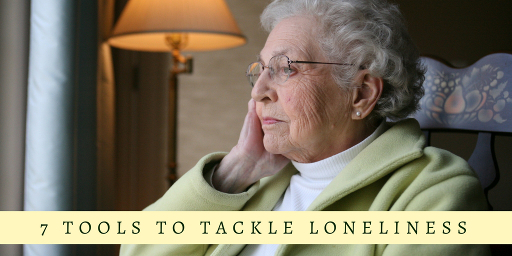
    7 Tools To Tackle Loneliness
    At any given time, roughly 60 million Americans, or at least one in five people, are feeling lonely, according to John T. Cacioppo, PhD, University of Chicago psychology professor, and co-author of Loneliness: Human Nature and the Need for Social Connection. A 2012 study published in the Journal of Neurology, Neurosurgery and Psychiatry showed that seniors who are lonely are 64 percent more likely to develop dementia than those who weren’t lonely. Loneliness can even lead to long-term physical health problems, including dementia.

    What can you do to combat loneliness as a senior? Consider adding these tips into your figurative toolbox.

    • Make the effort to ask for regular visits

      You can ask your friends and family to come visit you. Don’t be afraid to ask for it, as most of them will be very willing to help you out! It’s all about human contact. Even if the visits don’t happen as often as you’d like, make the most of those that do. Go out for lunch, take a walk, and find another activity that makes you feel more connected to the outside world. Live in the moment!

    • Call someone for five minutes a day

      If you can’t visit in person, get into a regular habit of making a five-minute phone call every day. Ask a loved one if they can add this to their daily routine. A short and simple conversation can have a big effect on your mood, and it gives you something to look forward to every day. Be sure that you don’t only talk about yourself. Ask them about their day, and what’s going on in their life. This back-and-forth type of conversation is the most valuable kind you can have.

    • Utilize the internet

      A recent report from Age UK found that over a quarter of people aged 65+ who admitted to feeling lonely said that keeping in contact with family and friends via the web helped relieve feelings of isolation. If many of your friends or family members live too far away to visit in person, ask them to video chat with you. You can also send emails, whether daily or weekly, and feel like you’re still a part of their lives.

    • Look into opportunities in the local area

      Local community centers may offer older people a low-cost membership. From painting classes, to gentle exercise, most centers have something for everyone.

    • Push to get outside the house

      Be honest with yourself: how often do you leave your house? If your answer isn’t ideal, don’t despair! There are many large and small ways to get out there. Plant a garden. Join a walking group. Even doing something as simple as sitting on your porch, or in your backyard, where you can enjoy fresh air and whatever scenery your area has, can make a big difference in your life.

    • Connect with your local library

      Libraries are a good source of knowledge about local activities, so make sure you check noticeboards, or buy a local paper to find out about local charities and various groups. And the quiet peace of a library might be just what you need to feel connected with others, while still being able to enjoy some alone-time.

    • Consider a low maintenance pet

      Keeping a pet has been shown to have all sorts of mental, emotional and physical health benefits. Read my previous article, The Impact of Pets on a Senior’s Health, to learn more about how to decide if you should have a pet, and if so, what kind.

    When it comes to tackling loneliness, one must first recognize that it’s a problem. By reaching out to family, friends, and your community, you can enjoy the feeling of support that people of all ages need. You have more power than you might have realized! It’s not always easy to stay positive. By taking small steps, you can build yourself up until you reach a point where you have many tools at your disposal, and can take back control of your life.

    Tags: , , , ,

  • April 25, 2017 /  Miscelleaneous

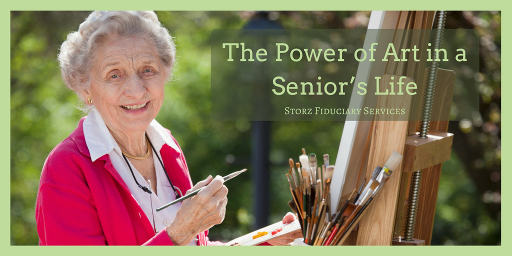
    The Power of Art in a Senior’s Life

    As people age, they sometimes begin to feel like they don’t have a lot of things to keep them happily occupied. They may begin to feel depressed or underappreciated because they think they no longer contribute to their community, and not having a good hobby can worsen these feelings.

    According to a study published in the Journal of Aging Studies, study participants, aged 60 to 93, identified six features of successful aging: a sense of purpose, interactions with others, personal growth, self-acceptance, autonomy, and health. Creative activities, such as writing, painting, or knitting, encourage a sense of competence, purpose, and growth—all of which contribute to aging well.

    One of the best ways to keep yourself happily occupied is by taking up painting. There are many benefits that you’ll gain from staying creative, and a lack of experience is not a barrier to enjoyment. Whether you’re picking up the brush for the first time, or returning to an old favorite hobby, the benefits include improved moods, better hand-eye coordination and an outlet for emotions through creative expression.

    Participating in artistic activities also bolsters problem-solving skills, as you work to put what you see in front of you, or in your mind’s eye, onto the blank canvas. And this will bring a satisfaction that you can carry over into everyday life. You develop a sense of pride in what you’ve created, especially when you share it with your friends and family!

    Psychologically, the benefits of creating things is fulfilling and gives people a sense of worth and contribution; creating gives people a more positive outlook on life, and as we age, having the a negative outlook can cause mental and physical deterioration.

    Many seniors shy away from creative activities because they feel as though they are not creative enough or are not artistic; however, even novices can be creative with the right approach. By taking a painting class, you’ll find yourself surrounded with those who are new to the art form as well. Visiting an art museum can inspire you, and you might find yourself testing out your skills as you interpret the pieces you saw. One must always remember that abstract art is a wonderful form of painting in which you can focus more on using colors, shapes, and designs that express your emotions in a unique way. And there’s no training necessary for that!

    Surprisingly, it is shown that regular participation in the creative arts yields a significant increase in overall physical health. In addition to fighting negativity, as noted above, those seniors who regularly engage in art programs actually have better physical health than those who do not.

    In one study, after a twelve month period of engaging in participatory art activities, those who participated reported a higher rate of physical health, fewer accidental falls, a decrease in the amount and types of medications they needed, and a decrease in the number of times they needed to visit the doctor or other healthcare professional. A control group—comprised of similarly situated seniors who did not participate in the art activities—did not report the same benefits.

    This study shows a definite correlation between participation in a regular creative art activity and increased physical health. As such, involving yourself in painting, drawing, and the like, will improve your quality of life and act as a way of preserving your physical health and well-being.

    It would be well worth your time to enroll in some sort of arts program. One such place would be one of the Seniors First Adult Day Programs, where a variety of beneficial classes are offered at a reasonable price. Check them out here, and discover the benefits and the power of creativity in your life!

    Tags: , , , , , , , , , , , , ,

  • April 11, 2017 /  Miscelleaneous

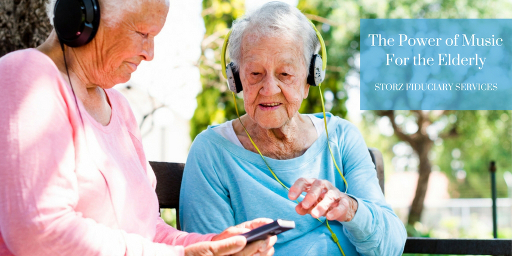
    The Power of Music For the ElderlyIt’s impossible to imagine a world without music. For most of us, music holds special meaning, and has emotional value. It creates strong responses, such as hearing a song from your past that connects with the feelings you had back then. When you take a step further and actually create music yourself, it involves complicated processes in your brain that can be incredibly therapeutic.

    Research has shown that music shares neural networks with memory, attention, motor movement, language and executive functioning. All of this helps us understand the way our brain processes music as we age; even if we have a disease or lesion in the brain that affects our motor movements, memory, speech, etc., we can still process music and use it as a tool to re-wire our non-musical neural networks. It is virtually impossible to completely lose music perception and production processes in our brain.

    One wonderful example can be seen in this video clip, taken from the documentary Alive Inside. It highlights the reaction of an elderly Alzheimer’s patient to music from his era. You can watch it here:

    Clearly, music has the ability to take us back in time, to evoke memories and feelings from the past. Hearing a tune you love can offer comfort and cheer during times of sadness, and can even turn a bad mood around almost instantly. So, how can music help you, regardless of your current age or mental abilities?

    • Music taps into our memories. Have you ever been driving, heard a song on the radio, then immediately been taken to a certain place, a specific time in your life, or a particular person? Music is second only to smell for it’s ability to stimulate our memory in a very powerful way. Music therapists who work with older adults with dementia have countless stories of how music stimulates their clients to reminisce about their life in a positive way.
    • Music is a social experience. Our ancestors bonded and passed on their stories and knowledge through song, stories, and dance. Even today, many of our music experiences are shared with a group, whether playing in band or an elementary music class, listening to jazz at a restaurant, or singing in church choir. Music makes it easy for music therapists to structure and facilitate a group process. For seniors without family nearby and who lack social involvement, signing up for a music therapy class can bring them joy and relaxation.
    • Music is non-invasive, safe, and motivating. We can’t forget that most people really enjoy music. This is not the most important reason why music works in therapy, but it’s the icing on the cake. Many seniors have found that putting on a favorite record can address mild anxiety very well, and can be a complement to any medical interventions. (Individual cases vary and medical choices should always be made with your doctor.)

    What issues exactly does music therapy address, and what is your greatest concern for your own self?

    • Cognitive skills: Music can help seniors process their thoughts and maintain memories. For dementia patients, music from their childhood or young adult years has proven to be effective in obtaining a positive response and involvement, even when the patient can no longer communicate. So starting when you are still a senior, not quite elderly, can give you a strong emotional foundation as you age.
    • Speech skills: Music therapy has been proven to help older adults answer questions, make decisions, and speak clearer. It can help slow the deterioration of speech and language skills in dementia patients; studies have shown that even when an Alzheimer’s patient loses the ability to speak, they can still recognize and even hum or sing their favorite song, as was illustrated in the video clip above.
    • Stress Reduction: Stress, anxiety, and depression are all too common for seniors. Playing music you enjoy can help you relax and work through your emotions. Slow songs, like ballads, can help prepare you for bed, or energetic songs, such as jazz, can help you stay alert while going about your daily activities. The great news is that the possibilities are endless!
    • Physical Skills: Music can inspire movement in seniors. With music comes dancing, after all! Music and dancing promote coordination and can help with walking and endurance. Even if you aren’t as mobile as you’d like, music can inspire toe tapping and clapping, thus getting the blood flowing once again.

    If you’re convinced, and want to get involved, check with your local senior center, and the community center, to see if they have any programs in place. Additionally, the American Music Therapy Association has a list of music therapists available, as well as general information on the topic. You can find them at www.MusicTherapy.org.

    Finally, you can go dig out some of your old records, or buy some new CDs, and take the time to listen and relax everyday. Take care of yourself now, and you’ll be happier in the future!

    Tags: , , , , , , ,

  • March 20, 2017 /  Miscelleaneous

    6 Senior Home Care Myths Busted
    Home care: these two words may overwhelm families as they’re considering viable options for their aging relatives, as well as senior citizens themselves. Home care allows a person with special needs to remain in their home, and may encompass a variety of roles such as personal care (i.e., bathing, washing your hair, getting dressed), homemaking (i.e., cleaning and yard work), cooking or delivering meals, and health care such as having a home health aide come to your home.

    While it entails a variety of situations (such as people getting older, people who are chronically ill, recovering from surgery or disabled), there are many myths you might be aware of as you consider the possibility. Let’s take a look and learn the truth about them.

    Home care is only for elderly people.

    “People of all ages are eligible for home care,” says Maxine Hochhauser, CEO of Visiting Nurse Regional Health Care System. In fact, she notes older patients aren’t the only people receiving care; mothers and babies receive services as well as older individuals. In addition, home care may be necessary for a variety of life altering situations such as car accidents, unanticipated illnesses, or other mishaps.  It stands to reason that even a capable senior citizen in their 60s might benefit from aspects of home care.

    The quality of care provided at home is inferior compared to institutionalized care.

    According to Hochhauser, the clinical training of the staff for home care is the same if not better than training in institutions. She explains, “The clinicians need to be very well-versed since they’re on their own inside a home. It’s not uncommon to have advanced medical treatments such as intravenous therapy and ventilator care to be done at home.”

    Home care is the solution to a problem.

    Milca Pabon, RN, a home health care nurse with Adventist Home Health, indicates that home care is quite the opposite: it’ll help you find ways to cope with the problem, not cure it. “The purpose of visits is to teach family members how to provide care for their loved ones in the home.” She adds, “It will open them to the resources in their communities that will be able to assist them to function at their highest level if possible where they were prior to hospitalization.”

    For instance, patients and family members are taught how to do procedures such as uncomplicated wound care and post-orthopedic home exercises. Many skills learned from short-term home care have assisted senior citizens in various situations that arise in their lives.

    Home care is an alternative to other care options such as a hospital or nursing home.

    Actually, home care provided by professional caregivers often supplements other care arrangements and helps ensure patients receive the care they need and deserve. Instead of viewing home care as a replacement for other care arrangements, it is about meeting people’s needs and wants regardless of where or when services are provided or who else is involved in the care process.

    Home care is expensive and only wealthy people can afford it.

    Peter Ross, CEO and co-founder of Senior Helpers, says there are actually many ways for seniors to afford quality home care. “With new programs such as reverse mortgages, VA benefits, long-term care insurance, and access to state and local programs such as Medicaid, many more families are able to afford quality home care for their loved one.” Consider contacting a professional such as an estate planning attorney, in order to discuss your options.

    Long-term care only exists in a skilled nursing home.

    This is not the case for many families. If a senior has medical issues that require health care throughout the day, a skilled nursing home may be the right option. However, most seniors require simple assistance, which oftentimes is non-medical (such as running errands). It’s a great option for those who want to live out their life in their own homes.

    How do you know if home care is right for you? Next time, we’ll discuss the signs that indicate you might want to look into it.

    Tags: , , , , , , , , , , , ,

  • February 28, 2017 /  Special Needs

    It’s an unfortunate truth that elder abuse is more common than some assume. It affects four percent of the elder population every year. But, according to experts, less than one in 14 cases of elder abuse are reported to law enforcement authorities. This post will go over how to recognize and cope with abuse. Whether you’re a senior citizen who wants to keep yourself safe, or a family member who is trying to prevent any issues, this will help you stay alert.

    Why and Where It Happens

    Elder abuse commonly occurs where the elder lives. In the home, abusers can be adult children or caretakers. It also happens in long-term care facilities, where nurses and caretakers take advantage of the elderly in some form. So, why does this happen? As they age, they become more vulnerable. They lose much of their physical strength, making it hard for them to fight back. Their mental state, as well, can affect their ability to protect themselves.

    The Five Common Types of Elder Abuse

    • Physical – This may include pushing, shoving, slapping, pinching, hitting, and the like.
    • Sexual – Some people are surprised by this, but it does happen to older adults. More often, it’s caregivers who take advantage of weaker senior citizens who can’t stand up for themselves.
    • Psychological – Obviously, the other forms of abuse are going to have an effect on someone’s psychological health. However, this can stand on its own as well. The perpetrator may threaten, speak abusively, become rude and sarcastic, and otherwise belittle the senior.
    • Financial – This involves the improper – even illegal – use of an elder’s assets. They might take money or property, cash social security or pension checks for themselves, or coerce the elder in some other financial way.
    • Neglect – This is a passive, rather than aggressive, form of abuse, but is just as powerful. It constitutes more than half of all reported cases of elder abuse. The caregiver might fail to provide medication or food on time. They might neglect to help the elder with their hygiene. Even if the neglect is unintentional, it’s still wrong and has a serious effect on the abused.

    How to Recognize Abuse

    Oftentimes signs of abuse are passed off as symptoms of dementia, mental deterioration, or side effects of the elderly person’s frailty. So, it’s important to know how to spot it. Warning signs would include frequent arguments between the elderly person and their caregiver, or sudden changes in personality or behavior. Let’s look at some warning signs for each kind of abuse.

    • Physical abuse is easier to spot. Look for unexplained signs of injury, such as bruises or welts. Broken bones and sprains would be an obvious clue. Don’t simply assume it was an accident. You don’t need to be overly suspicious, but you should investigate the causes of any injuries to be on the safe side.
    • Sexual abuse warning signs would include bruises around private areas, unexplained bleeding, and a sudden change in the elder’s behavior. They could become more defensive, angry, or jittery. This kind of abuse has an especially profound effect on their psychological state.
    • Psychological abuse could be happening if the elder shows a sudden and marked change in personality, such as defensiveness, overreacting to small things, or crying easily. Gently approach your loved one to see if they’ll open up about it.
    • Financial abuse warning signs include significant withdrawals from their accounts, items or cash missing from the household, and unpaid bills even when they have enough income for it. Look for any indication that their spending habits have changed, and find out whether they’re handling their own finances, or if a caretaker has assumed responsibility without asking.
    • Dehydration, malnutrition, and bed sores are just a few signs of possible neglect. Keep an eye out if the home is unsanitary, or the elderly person is left dirty or unbathed.

    If you’re a senior citizen, you can also take action to protect yourself. Make sure your financial and legal affairs are in order. If they aren’t, you can enlist professional help. It’s also important to keep in touch with your family and friends, in order to avoid becoming isolated. And if you’re unhappy with the care you’re receiving in-home, or in a facility, don’t be afraid to speak up. You can turn to a trusted friend or family member. There are also elder abuse helplines. The National Council on Child Abuse and Family Violence has compiled a list, which you can find here: https://www.nccafv.org/adult-protective-services-numbers.

    By staying aware of the warning signs, you can stop abuse or prevent it from escalating any further. Find more information and resources from the CDC here, and from The NCPEA (National Committee for the Prevention of Elder Abuse) here.

    Tags: , , , , ,

  • February 14, 2017 /  Resources

    8 Services for Senior Citizens

    We all need a little extra help sometimes, but this need generally intensifies for senior citizens – whether the effects of getting older or just facing changing circumstances cause it. Most people are familiar with assisted living facilities, but what about a specialist to help you pack your belongings and move? Or someone to help you pay your bills and stay organized?

    It is difficult when we realize that we can’t always do everything on our own. So it can be valuable to be aware of what kinds of services exist for senior citizens. With that in mind, here are 8 types of services that some senior citizen clients have found of value:

    1. Paying bills and getting organized: Are you now responsible for dealing with your household’s financial affairs, after your spouse previously handled things? Or do you need help paying bills, reconciling your checkbook, or tracking expenses? In-home bill payment and organization specialists can help you take control of your household financial situation again. These organizations will send experienced bookkeepers to your home to help you pay bills and handle paperwork. Using such a service alleviates some of the pressure and gives you added peace of mind.
    2. Downsizing your home, moving, or settling an estate: Are you looking to downsize your home? There are services that can take the stress out of moving by helping to sort through personal belongings, and help you decide what to take, sell, donate or give away. They can even pack your belongings and un-pack them at your new home. Usually these services have affiliations with appraisers who can help value and sell high-end items. In terms of moving to another home, it can be as simple as contacting a local moving company and finding out the cost of having your entire home packed and moved for you.
    3. Meal prep with an in-home chef: Are you unable to prepare meals any longer? There are services that send a chef to your home weekly to prepare food that meets specific dietary needs. These chefs can ensure you get all the nutrition you need, especially if you’re facing certain medical issues. And who doesn’t want tasty food served to them in the comfort of their own home? You might find someone experienced by signing up for a website such as Care.com and listing what you need.
    4. Patient advocates: Do you need help making medical decisions? Patient advocates and geriatric care managers can help tackle medical problems. Health care specialists are available who will accompany you to doctor appointments and help your family make decisions concerning medical issues, if needed. This can be an especially useful service when family members live out-of-town.
    5. Managing health insurance claims: Are you fighting health insurance claims? There are services that will organize, track and appeal your health insurance claims, which could be especially useful when there are large claims after an extended illness.
    6. Searching for assisted living: Do you need help finding the right assisted living option? There are services that know which facilities may be preferable for different situations and can guide you through negotiating costs and asking important questions. A Place for Mom is one such service that provides support and assistance at no cost to you.
    7. Claiming your VA benefits: If you, or your spouse, are a veteran and you are currently receiving care at home or in a facility, you may qualify for a VA Aid and Attendance Pension. Certain attorneys specialize in helping apply for this benefit. The Senior Veterans Service Alliance provides plenty of information that can help you look into it.
    8. Modifying your home for mobility: Do you want to stay at home but it’s difficult to maneuver? Small or large home modifications may allow you to remain living independently, and can be especially helpful for somebody with disabilities or mobility problems. There’s even options that offer financial assistance in paying for it. Check with your insurance, as well, to see if they cover any of the expenses.

    Don’t limit yourself into thinking that you can only get help through traditional services like in-home nursing or monthly cleaning. In today’s world, there are many options available for when you need that extra bit of help. It’s as simple as reaching for your phone or logging onto the internet. We hope these resources assist you!

    Tags: , , , ,

  • January 30, 2017 /  Miscelleaneous

    Today my guest is Rachelle Wells. She does a lot of the research for my website and keeps my posts up-to-date.

    The title for today’s entry is: No, You Can’t Have My Money! or 7 Tips to Protect Yourself From Financial Scams:

    7 Tips to Protect Yourself From Financial Scams

    Millions of older adults fall prey to financial scams every year. Use these tips to protect yourself – with knowledge you can stay safe!

    1. Be aware that you are at risk from strangers — and from those closest to you.

    More than 90 percent of all reported elder abuse is committed by the older person’s family members, most often their adult children, followed by grandchildren, nieces and nephews, and others.

    Common tactics include depleting a joint checking account, promising but not delivering care in exchange for money or property, outright theft and other forms of abuse, including physical abuse, threats, intimidation and neglect of basic care needs.

    Everyone is at risk of financial abuse, even people without high incomes or assets. Understand common scams, so you can spot one before it’s too late.

    1. Always tell solicitors: “I never buy from (or give to) anyone who calls or visits me unannounced. Send me something in writing.”

    Don’t buy from an unfamiliar company and always ask for and wait until you receive written material about any offer or charity.

    Neighborhood children you know who are selling Girl Scout cookies or school fundraising items may be an exception, but a good rule of thumb is to never donate if it requires you to write your credit card information on any forms.

    It’s also good practice to obtain a salesperson’s name, business identity, telephone number, street address, mailing address and business license number before you transact business.

    And always take your time in making a decision.

    1. Shred all receipts with your credit card number.

    Identity theft is a huge business. To protect yourself, invest in — and use — a paper shredder.

    Monitor your bank and credit card statements and never give out personal information over the phone to someone who initiates the contact with you.

    1. Sign up for the “Do Not Call” list and take yourself off multiple mailing lists.

    Visit www.donotcall.gov or call the Do Not Call Registry at 1-888-382-1222 to stop telemarketers from contacting you.

    Be careful with your mail. Do not let incoming mail sit in your mailbox for a long time. When sending out sensitive mail, consider dropping it off at a secure collection box or directly at the post office.

    To get more tips on protecting yourself from fraud, visit www.onguardonline.gov, which has interactive games to help you be a smarter consumer on issues of related to spyware, lottery scams and other swindles.

    1. Use direct deposit for benefit checks to prevent checks from being stolen from the mailbox.

    Using direct deposit ensures that checks go right into your accounts and are protected. Clever scammers or even scrupulous loved ones have been known to steal benefits checks right out of mailboxes or from seniors’ homes if they are laying around.

    1. Never give your credit card, banking, Social Security, Medicare, or other personal information over the phone unless you initiated the call.

    Misuse of Medicare dollars is one of the largest scams involving seniors. Common schemes include billing for services never delivered and selling unneeded devices or services to beneficiaries.

    Protect your Medicare number as you do your credit card, banking and Social Security numbers, and do not allow anyone else to use it. Be wary of salespeople trying to sell you something they claim will be paid for by Medicare.

    Review your Medicare statements to be sure you have in fact received the services billed, and report suspicious activities to 1-800-MEDICARE.

    1. Be skeptical of all unsolicited offers and do thorough research.

    Be an informed consumer. Take the time to call and shop around before making a purchase. Take a friend with you who may offer some perspective to help you make difficult decisions.

    Also, carefully read all contracts and purchasing agreements before signing and make certain that all of your requirements have been put in writing. Understand all contract cancellation and refund terms.

    As a general rule governing all of your interactions as a consumer, do not allow yourself to be pressured into making purchases, signing contracts or committing money. These decisions are yours and yours alone.

    Steps to Take if You’re a Victim

    If you think you’ve been scammed, don’t be afraid or embarrassed to talk about it — waiting could only make it worse. Immediately:

    • Call your bank and/or credit card company.
    • Cancel any debit or credit cards linked to the stolen account.
    • Reset your personal identification number(s).

    Also, contact legal services and Adult Protective Services if warranted. You do have the ability to protect yourself from financial scams!

    Rachelle Wells

    Tags: , , , , , , , , , , , ,

  • January 9, 2017 /  Basics, Miscelleaneous

    What Can Seniors Do to Prevent Falls?
    What’s the first you think of after you’ve had a fall? Most people would simply assume that they’re having some problems with eyesight or balance, hence impairing their ability to coordinate movement. Some also assume that they’ve had nothing more than a moment of clumsiness. These are not impossible conclusions. They do make perfect sense, but it is important to know that there can be other underlying reasons for the fall.

    Dr. Farrin Manian is a clinician educator and the principal investigator of a Massachusetts General Hospital study regarding infections and falls in the elderly.

    The study involved 161 patients who were treated in the Massachusetts General Hospital emergency room for a fall. All 161 of these patients were later also diagnosed with an underlying infection. Of these, 44.1 percent had a urinary tract infection, 39.8 percent had a bloodstream infection, 23 percent had a respiratory infection and 5.6 percent had an infection of the heart valve.

    Initially, experts did not suspect an underlying infection in more than 40 percent of the patients. This may be due to the fact that many of these patients only had one, or even none, of common signs of an infection (such as a rapid heart rate, an abnormal white blood cell count, and fever). As such, it is apparent that it is highly likely for the underlying infection to be missed if you don’t consider all the factors that led up to your fall.

    Now you may be wondering how exactly an infection could lead to a fall. There may not seem like there is an obvious link between the two, but the explanation is rather simple! According to researchers involved in the Massachusetts General Hospital study, infections can lower blood pressure. This will result in feelings of lightheadedness and dizziness, which then increase the person’s risk of falling. This effect is worsened in elderly persons because illnesses can also increase confusion in older people, especially in the cases of those who are also suffering from dementia or Alzheimer’s.

    According to Dr. Manian, he was inspired to conduct the study because he had realized, over the years, that some of the more serious infections he had treated were in people who had come to the hospital because they had had a fall.

    According to the United States Centers for Disease Control and Prevention, about 2.5 million elderly persons end up in American emergency rooms each year as a result of falls. Of these 2.5 million, less than a third require hospitalization consequentially. The death rate of these falls has also increased between the years 2004 and 2013, from 41 deaths per year for every 100, 000 people to 57 deaths every year for the same number of people.

    With such a large number of cases of elderly falls every year, it is important to be informed that there could be a huge range of causes behind the falling – it might not be a bout of clumsiness or failing eyesight.

    Of course, it is important to maintain your regular health checkups to ensure that no infections or other health problems go unnoticed. However, if you have already had a fall, it is essential that you don’t jump straight to conclusions and assume that it was due to clumsiness, eyesight problems, confusion, or other reasons. It is important that you consider all possibilities, and get a full health checkup conducted if possible, so as to detect any underlying health problems.

    By staying aware of the health of your complete body and mind, you can control your risk for serious falls!

    Tags: , , , , , , , , , , , , ,