• October 16, 2017 /  Basics, Dementia

    Reduce Your Dementia Risk With Exercise

    In our last article, we discussed what proactive steps you can take to reduce your risk of developing dementia and Alzheimer’s disease. Today we’re going to go into further detail on one such step: regular exercise.

    Many older adults find that with age fitness is more difficult to maintain. You may face chronic pain, fatigue, or illnesses that limit your physical abilities. Additionally, if you’re isolated from friends and family you might lack the motivation to exercise on your own. There’s still plenty you can do, however! Let’s learn why exercise plays such an important role in reducing one’s risk for these serious diseases, and how you can incorporate it into your own life.

    Scientific Evidence

    What scientific evidence is there to support this claim? As one reference, we can look at a study done by neuroscientist Art Kramer. He scanned the brains of 120 older adults, half of whom started a program of moderate aerobic exercise — just 45 minutes, three days a week, mostly walking. After a year, the MRI scans showed that for the aerobic group, the volume of their brains actually increased.

    What’s more, individuals in the control group lost about 1.5 percent of their brain volume, adding up to a 3.5 percent difference between individuals who took part in aerobic exercise and those who did not. Further tests showed that increased brain volume translated into better memory.

    This isn’t an isolated case. Bryan James is an epidemiologist at the Rush Alzheimer’s Disease Center in Chicago. He conducted a study in which he looked at a different measure of activity — something he calls “life space.” He added up how often people got out of their bedroom, went out of their house, traveled out of their neighborhood or out of town. “The people who never left their home — even though they didn’t seem to have any cognitive problems when we started following them — were twice as likely to develop Alzheimer’s disease over five years,” James says.

    Why exactly does this happen? Increased aerobic capacity has benefits for the metabolism and physiological function of the brain. A protein known as brain-derived neurotropic factor (BDNF) is known to be important in the development, survival, and plasticity of nerve cells called neurons. It’s also important in protecting against neuro-degeneration that’s associated with Alzheimer’s disease, and other forms of dementia.

    Regular aerobic exercise boosts the level of BDNF by 2-3 times, and clearly the more often you exercise, the more prolonged the effect. We all deal with stress and fear in our everyday life, requiring our brains to constantly adapt. Since exercise has been shown to help us do this, it may well explain how it can be effective in reducing the risk of depression, anxiety, and dementia.

    What You Can Do

    As mentioned, this blog has covered the topic of fitness in the past. There are 3 common threads among them: start with easy, gentle exercises until you know your personal limits; reach out to family and friends for support, or look for a group to join; and have fun! By finding activities you really enjoy doing, you ensure that you continue to do them with regularity.

    For more, check out our past articles regarding fitness and overall wellness:

    4 Ways to Stay Active as a Senior

    How To Exercise When You Have Arthritis

    Five Wellness Tips for Seniors

    Speaking of Exercise

    Does this mean that you can 100% prevent dementia? Sadly, no. There are a myriad of factors that influence someone’s risk. However, you can play an active role in your own future health, and do a great deal of good for your brain!

    Tags: , , , , , , , , , , , , , ,

  • September 11, 2017 /  Basics

    The Importance of Dental Care for Seniors

    You might be surprised to learn how much your dental health says about your physical well-being. Periodontal disease is a precursor for some pretty serious medical conditions, including heart disease, diabetes, and stroke. The healthier our mouths are, the healthier our bodies will be. And fortunately, it’s not that hard to care for them!

    Risks and Dangers

    The aging process begins to affect oral health and puts seniors at higher risk for several common oral health problems such as:

    • Dry Mouth. Dry mouth is a condition where the mouth stops making necessary amounts of saliva. It’s a common side effect of many medications, cancer treatments, and dehydration. More than being a nuisance, decreased saliva production puts seniors at a higher risk for developing gingivitis, tooth decay, and mouth infections such as thrush. The dentist may recommend specialized mouthwashes or the implementation of a humidifier to help keep the mouth moist.
    • Root Decay. Typically, gums begin to recede with age, and as a result of gum disease. This will eventually leave the higher parts of the tooth, which are the lower portions of the roots, exposed and vulnerable to acids and other substances that lead to their decay. If dental roots are damaged beyond repair, it leads to dental extractions.
    • Gum Disease. Also called periodontal disease or gingivitis, gum disease is most commonly caused by an accumulation of plaque on the teeth and along the gum lines. This hard substance allows bacteria to grow, causing inflammation (gingivitis) that leads to gum disease – the leading cause of tooth loss. Other common causes include smoking, use of dentures, poor diet, and certain diseases.
    • Tooth Loss. As mentioned above, gum disease is the leading cause of tooth loss. Losing your natural teeth is a serious business. While dentures may seem synonymous with old age, they are also synonymous with poor diet and a deterioration of the gum tissue and jawbone. Dentures are typically uncomfortable and make it difficult for seniors to eat well, which leads to malnourishment, a compromised immune system, and susceptibility to other medical conditions. The longer you can keep your own healthy teeth, the better!
    • Uneven jawbone. Your teeth, gums, and jaw have a very close relationship. When the teeth go missing or are extracted, the gums and jawbone begin to diminish, which can lead to misshapen jaws. If you break or lose a tooth, get to the dentist immediately to determine the best solution. Implants or well-fitting bridges and dentures will help to slow down receding gums and jaws.
    • Denture-induced stomatitis. Dentures must be cleaned, maintained, and fitted on a regular basis or they can contribute to disease of the mouth. Denture-induced stomatitis can occur with poorly fitting dentures, poor oral hygiene, or an accumulation of a fungus called Candida albicans, which causes the gums to become inflamed and potentially infected.
    • Thrush. This is the same condition that can affect babies and young children. It is a symptom of a compromised immune system and is the result of a build-up of the aforementioned fungus.

    What You Can Do

    We all know brushing and flossing twice a day is important for oral health. But there’s more to maintaining dental care than that. Here are expert tips from the American Dental Association that are good guidelines to follow:

    • Brush twice a day with a toothbrush with soft bristles and fluoride-containing toothpaste
    • Use an electric toothbrush
    • Clean between your teeth once a day with floss or another inter-dental cleaner
    • Rinse with an antiseptic mouthwash once or twice a day
    • If you wear full or partial dentures, remember to clean them on a daily basis – Take your dentures out of your mouth for at least four hours every day, and know that it’s best to remove them at night
    • Quit smoking – Besides putting you at greater risk for lung and other cancers, smoking increases problems with gum disease, tooth decay and tooth loss
    • Visit the dentist on a regular schedule for a complete dental check-up, cleaning and oral exams
    • Eat a healthy, well-balanced diet that includes dairy and high-fiber foods

    Seniors in general are the most likely to stop seeing the dentist, especially in cases where dental insurance is no longer covered by a retirement health plan. The good news is that most dentists offer special rates for seniors and those who do not have dental insurance. They are often willing to work with you on payment plans. Seniors can also apply for CareCredit, which can be used like a credit card for dental and other health services.

    Schedule your next dental checkup today, because dental care for seniors is crucial to overall health!

    Tags: , , , , , , , , , , , , , , , ,

  • July 10, 2017 /  Basics

    How Older Ones Can Stay Safe in the Summer

    The summer is now here in full force and in most areas of the country there are times that it gets dangerously hot. The fact is, older ones are more susceptible to its ill effects. As you get older, your sweat glands are less active, and make it harder for your body to eliminate heat. Even seniors as young as their 60s still have a higher risk in the heat, especially if they have any chronic health conditions.

    There are 4 basic, vital steps that everyone should take to protect themselves. Be sure to talk to your doctor about your concerns as well, and see what advice they have for you.

    1. Sun Protection: First and foremost, you need to protect yourself before you even step outside. And that means more than applying sunscreen! You should absolutely wear it, though, any time you go out. Even when in the shade, or when it doesn’t seem too sunny, you should still apply it. You’d be surprised how much exposure you get even at those times!

    The Skin Cancer Foundation recommends using “broad-spectrum, water-resistant sunscreen with an SPF of 30 or higher”. This level of SPF filters out about 97 perfect on the sun’s UV radiation. Broad-spectrum ensures that you’re protected from both UVA and UVB rays.

    But it doesn’t stop there. Sunscreen can only do so much. You need to protect yourself additionally by wearing broad-rimmed hats and sunglasses. Choose loose-fitting clothing made from a breathable fabric such as cotton, and choose lighter colors. Avoid prolonged exposure from 10 a.m. to 4 p.m., the hottest part of the day.

    2. Keep Hydrated: Most adults need about two quarts (64 ounces) of fluids every day, but that amount increases with heat and humidity and can change based on various medications. Drink plenty of cool water throughout the day, and avoid alcohol and caffeine, which will actually dehydrate you.

    If you struggle to drink enough water, remember that you can get extra hydration by eating water-rich foods such as cucumbers and watermelon. You can also purchase flavored waters, drink a half-and-half mixture of fruit juice and water, and include plenty of ice in your usual favorite beverage. But in the end, these need to be an accompaniment to a consistent intake of water throughout your day.

    3. Cool Down: What steps can you take to stay cool throughout the day? If you feel very hot and uncomfortable, try a cool shower, or sit with your feet in a basin of cold water. Keep your AC at a reasonable temperature. If you’re out and about, be sure to have air-conditioned places around you – this includes coffee shops, libraries, stores, and the like. This is a great way to get mild exercise, too. Some seniors enjoy walking around malls in the early morning, especially if they have a friend to join them.

    4. Watch for Signs of Heat Stroke: Even if you follow all of these steps, as a senior you’re more prone to experience heat exhaustion or heat stroke. Part of the reason for this is that older ones have a harder time, on average, monitoring and adjusting to big changes in temperature. As the CDC points out, “People aged 65 years or older are less likely to sense and respond to changes in temperature.”

    According to the Mayo Clinic, heat stroke symptoms include:

    • High body temperature. A body temperature of 104 F (40 C) or higher is the main sign of heatstroke.
    • Altered mental state or behavior. Confusion, agitation, slurred speech, irritability, delirium, seizures and coma can all result from heatstroke.
    • Alteration in sweating. In heatstroke brought on by hot weather, your skin will feel hot and dry to the touch. However, in heatstroke brought on by strenuous exercise, your skin may feel moist.
    • Nausea and vomiting. You may feel sick to your stomach or vomit.
    • Flushed skin. Your skin may turn red as your body temperature increases.
    • Rapid breathing. Your breathing may become rapid and shallow.
    • Racing heart rate. Your pulse may significantly increase because heat stress places a tremendous burden on your heart to help cool your body.
    • Headache. Your head may throb.

    If you experience any of these symptoms, seek immediate help. Call 911 and if you have any family or friends nearby, alert them to your situation, so they can stay with you until professional help arrives. In the meantime, some quick steps you can take include getting indoors or into the shade, removing excess or heavy clothing, and using a hand-held fan with a water mister.

    By following these guidelines, you can be sure to have a healthy, enjoyable summer!

    Tags: , , , , , , , , , , , , , ,

  • June 26, 2017 /  Basics

    Tips for Seniors Who Want to Stop Smoking

    Are you a senior who smokes? You’re not alone. People of all ages struggle to quit, and know that there are risks to continuing to do it. However, older smokers are at greater risks because they have usually smoked longer (an average of 40 years), tend to be heavier smokers, and are more likely to suffer from smoking-related illnesses. It can become an ingrained part of their life that they can’t imagine giving up.

    You are most likely well aware of the increase in lung cancer due to smoking. What you may not know is smoking also dramatically increases the users risk of numerous other illnesses such as coronary heart disease, stroke and lower respiratory tract infections – all leading causes of death in those over 50 years of age.

    What would be the benefits go quitting? Here are just a few. Be sure to consult your doctor before embarking on major health changes.

    • Prolong your life
    • Reduce your risk of disease (including heart disease, heart attack, high blood pressure, lung cancer, throat cancer, emphysema, ulcers, gum disease and other conditions.)
    • Feel healthier (After quitting, you won’t cough as much, have as many sore throats and you will increase your stamina.)
    • Look better (Quitting can help you prevent face wrinkles, get rid of stained teeth and improve your skin.)
    • Improve your sense of taste and smell
    • Save money, which is especially important for older adults on a fixed income

    But how can you quit? You might be overwhelmed by the thought. Here are a few suggestions. See if a few of them appeal to you.

    • Pick a date on the calendar to stop smoking, and share your goal with family/friends for moral support.
    • List your personal reasons for quitting, and keep that list in view.
    • Stop smoking in certain situations (such as after dinner, or before bed) while you work your way towards quitting completely
    • Keep busy doing things that make it hard to smoke, like working in the yard and exercising.
    • Fight the urge by going places where smoking isn’t allowed, and by staying around people who don’t smoke.
    • Avoid situations that tempt you to smoke, like drinking coffee or alcohol.
    • Find a substitute to reach for instead of a cigarette. Try a sugar-free hard candy or chew sugar-free gum.
    • Remind yourself that you’re likely to feel better if you stop smoking.
    • Ask your health care provider about using nicotine gum or patches. Some people find these aids helpful.
    • Join a smoking cessation support group or program.

    Don’t throw in the towel if you smoke a cigarette. It doesn’t mean you failed! Seventy-five percent of people who quit subsequently relapse. Most smokers quit three times before they are successful! There’s no one way to quit that works for everyone. You must be ready emotionally and mentally. You must also want to quit smoking for yourself, and not to please your friends or family. Plan ahead.

    How can you keep yourself encouraged on the road to quitting?

    • Don’t carry a lighter, matches or cigarettes with you.
    • Ask other smokers to not smoke in your presence.
    • Don’t focus on what you are missing. Think about the healthier way of life you are gaining.
    • Keep yourself busy with healthy activities such as walking, seeing friends for lunch, and gardening.
    • Don’t substitute food or sugar-based products for cigarettes. Eat low-calorie, healthy foods (such as carrot or celery sticks, sugar-free hard candies) or chew gum when the urge to smoke strikes so you can avoid weight gain.
    • It is best to drink plenty of fluids, but to limit alcoholic and caffeinated beverages. They can trigger urges to smoke.
    • Reward yourself for these milestones. You deserve it!
    • Quitting becomes easier after the first few days.

    Withdrawal symptoms, such as feeling irritable, hungry, coughing often, getting headaches or having difficulty concentrating occur because the body is used to nicotine, the active addicting agent within cigarettes. These symptoms occur because the body is adjusting to the lack of nicotine. The withdrawal symptoms are only temporary. They are strongest when one is first quitting but will go away within 10 to 14 days. It is good to remember that withdrawal symptoms are easier to treat than the major diseases that smoking can cause.

    Don’t be discouraged if you have a relapse. Keep trying! Before embarking on any sort of health, exercise, or lifestyle changes, it’s important you speak to your doctor. Talk to your doctor about your desire to quit smoking beforehand, so that they can guide you.

    For more information, visit http://www.lung.org/stop-smoking/about-smoking/facts-figures/smoking-and-older-adults.html

    Tags: , , , , , , , , , , , , ,

  • June 13, 2017 /  Basics, Miscelleaneous

    6 Essential Tips for Managing Arthritis

    Living with arthritis isn’t easy. For many seniors, it can be an unpleasant addition to other health problems. As you lose your ability to do simple things like using a can opener, typing, or writing, your frustration will likely increase. Statistics from the Centers for Disease Control (CDC) indicate that approximately 50 million people in the United States are living with some form of arthritis, making this crippling disease the country’s most common form of disability.

    If you are handicapped by any form of arthritis, you know the limitations the disease imposes on your ability to work, move, and generally feel comfortable, and you are probably willing to try anything that might improve your quality of life. There are definitely things you can do to lessen the pain and possibly increase your mobility. Here are six ways you can self-manage an arthritis diagnosis and improve your quality of life.

    1. Diet – It can start as simple as the food you put into your mouth. Most of us try to eat a healthy diet, but for those with arthritis and other difficult health problems, it is essential. You need to ensure you’re getting all the nutrients your body needs to function at its highest level. Packaged foods and frozen dinners can lack the proper nutrition required. But with age you might find your desire or ability to cook lessens. You can start by looking up recipes designed to be simple and healthy. You can also look into a food service such as Meals on Wheels, who can provide what you need and bring it right to your doorstep.
    2. Exercise – This is something I discussed in detail in the past. Read the post, “How to Exercise When You Have Arthritis” for more! In general, your aim is to keep moving, whether in large or small ways. Always consult your doctor before embarking on a fitness regime. However, you can start by focusing on doing just a little, but doing it often. You can walk around your neighborhood in the morning, garden in the afternoon, and swim in the evening, as an example. Your muscles support your joints, so strengthening them can greatly reduce pain. Your doctor may have other suggestions.
    3. Rest – Make sure to get 7-9 hours sleep per night. A study published in the journal Arthritis Care and Research 2015 found that people who didn’t get sufficient sleep had increased levels of osteoarthritis knee pain. Avoid alcohol and caffeine, have a bath (a tip discussed next), and practice relaxation techniques if you find getting to sleep is difficult. Short naps, as long as they aren’t too close to evening time, can refresh you as well.
    4. Take a bath – Yes, really! This simple tip can have a multitude of benefits. Soaking in warm water makes your joints looser by reducing the force of gravity that’s compressing them. This offers 360-degree support for your sore limbs. It’ll decrease swelling and inflammation, and increase circulation. Be sure to go warm, but not too hot. Epsom salts are a great addition to your bath, which actually increase your magnesium – a mineral important for bone health. Be wary if you have diabetes, as it can stimulate insulin release. Ask your doctor first.
    5. Joint care – It’s important to look after your joints so as not to risk further damage. How can you reduce the stress on your joints while carrying out everyday tasks? Use larger, stronger joints as levers – for example, take the pressure of opening a heavy door on your shoulder rather than on your hand. You can also use several joints to spread the weight of an object – for example, use both hands to carry your shopping or distribute the weight evenly in a shoulder bag or rucksack.

    Arthritis pain should not be a reason why you stop enjoying your everyday life. These are just a few options when it comes to self-care. Consult with your doctor for more ideas on what you can do from home.

    Tags: , , , , , , , , , , , , ,

  • January 9, 2017 /  Basics, Miscelleaneous

    What Can Seniors Do to Prevent Falls?
    What’s the first you think of after you’ve had a fall? Most people would simply assume that they’re having some problems with eyesight or balance, hence impairing their ability to coordinate movement. Some also assume that they’ve had nothing more than a moment of clumsiness. These are not impossible conclusions. They do make perfect sense, but it is important to know that there can be other underlying reasons for the fall.

    Dr. Farrin Manian is a clinician educator and the principal investigator of a Massachusetts General Hospital study regarding infections and falls in the elderly.

    The study involved 161 patients who were treated in the Massachusetts General Hospital emergency room for a fall. All 161 of these patients were later also diagnosed with an underlying infection. Of these, 44.1 percent had a urinary tract infection, 39.8 percent had a bloodstream infection, 23 percent had a respiratory infection and 5.6 percent had an infection of the heart valve.

    Initially, experts did not suspect an underlying infection in more than 40 percent of the patients. This may be due to the fact that many of these patients only had one, or even none, of common signs of an infection (such as a rapid heart rate, an abnormal white blood cell count, and fever). As such, it is apparent that it is highly likely for the underlying infection to be missed if you don’t consider all the factors that led up to your fall.

    Now you may be wondering how exactly an infection could lead to a fall. There may not seem like there is an obvious link between the two, but the explanation is rather simple! According to researchers involved in the Massachusetts General Hospital study, infections can lower blood pressure. This will result in feelings of lightheadedness and dizziness, which then increase the person’s risk of falling. This effect is worsened in elderly persons because illnesses can also increase confusion in older people, especially in the cases of those who are also suffering from dementia or Alzheimer’s.

    According to Dr. Manian, he was inspired to conduct the study because he had realized, over the years, that some of the more serious infections he had treated were in people who had come to the hospital because they had had a fall.

    According to the United States Centers for Disease Control and Prevention, about 2.5 million elderly persons end up in American emergency rooms each year as a result of falls. Of these 2.5 million, less than a third require hospitalization consequentially. The death rate of these falls has also increased between the years 2004 and 2013, from 41 deaths per year for every 100, 000 people to 57 deaths every year for the same number of people.

    With such a large number of cases of elderly falls every year, it is important to be informed that there could be a huge range of causes behind the falling – it might not be a bout of clumsiness or failing eyesight.

    Of course, it is important to maintain your regular health checkups to ensure that no infections or other health problems go unnoticed. However, if you have already had a fall, it is essential that you don’t jump straight to conclusions and assume that it was due to clumsiness, eyesight problems, confusion, or other reasons. It is important that you consider all possibilities, and get a full health checkup conducted if possible, so as to detect any underlying health problems.

    By staying aware of the health of your complete body and mind, you can control your risk for serious falls!

    Tags: , , , , , , , , , , , , ,

  • October 31, 2016 /  Basics

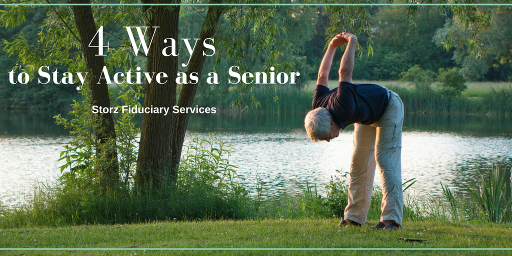
    4 Ways to Stay Active as a SeniorIt’s important for people of all ages to get regular physical activity. Countless studies have shown its positive effects on physical, mental, and emotional health. However, as you age, you might face concerns about injury. You might also wonder what sorts of activities are feasible for you. But staying fit doesn’t need to mean hours at the gym lifting weights! The important thing is to be moving around as much as possible, and to reduce the time you’re sitting.

    A study in 2012 found that those who sat for more than 8 hours a day increase their chances of developing type 2 diabetes by almost 90%! At the same time, a study published in the American Journal of Preventative Medicine showed that those who simply fidgeted while sitting reduced their risk of all-cause mortality. Clearly, it takes less effort than you’d think to stay healthy. The key is to put the effort in and find what works for you! Remember to ask your doctor before embarking on any fitness regime.

    Here are four ways that you can stay active!

    Choose Active Hobbies

    A fun and simple way to stay active is by pursuing specific hobbies. You’ll want to choose ones that get you moving – even if it’s just in your backyard! Gardening is a great choice that many seniors like. Moving from kneeling, sitting, and standing is important for your bones and muscles to keep their strength. Working with your hands promotes brain and physical coordination.

    The best part is, you can make it as comfortable as you like, and go at your own pace. You can buy a kneeling pad to ease some pressure off your knees. You can take a rest as often as you like. Even 5 minutes is great for you! The fresh air will do wonders for your mood as well.

    Other options include knitting, needlework, painting, and scrapbooking. When you think of fitness, these might not come to mind. But the fact is that you’re moving your body, no matter how small the movements are, while engaging the brain. Open your mind to the possibilities!

    Gentle, Low-Risk Exercise

    Yoga, Pilates, Tai chi, and swimming are popular among seniors. They carry little risk of serious injury, and are easy to do in groups, with friends, or at home alone. They’re an excellent option for those who are new to exercise or have concerns about safety.

    • Yoga includes breath control, simple meditation, and the adoption of specific bodily postures, and is widely practiced for health and relaxation.
    • Pilates is designed to improve physical strength, flexibility, and posture. It also enhances mental awareness.
    • Tai chi is actually a martial art, however it focuses on alleviating stress and anxiety through slow and carefully controlled movements. Tai chi is often practiced in an outdoor setting, and can be quite invigorating!
    • Swimming is a low-impact exercise, with little risk of injury. It’s gentle on your joints while improving muscle tone.

    Use a Buddy System

    Choose a friend or family member to be your buddy and go on walks or other activities with you. It could be your neighbor, your best friend, or even your spouse.  You hold each other accountable, and it’s easier to stay committed that way. They’ll provide you with companionship and encouragement. In turn, you’ll do the same for them.

    Perhaps you can arrange to go on monthly hikes. If possible, it’s highly beneficial to find someone to walk with on a daily basis. Your buddy can even join you in your active hobbies, as discussed above. You can garden or knit together, for example, while enjoying each other’s company. You don’t need to do it alone!

    Senior Group Fitness Classes

    Group classes are like the buddy system, except on a larger scale! They bring a lot of fun and excitement to what might otherwise be considered tedious.  You might be surprised at how many there are specifically for seniors!

    These classes can be found in health clubs, local gyms, recreation departments, YMCAs, community wellness programs, and more. They can utilize anything from basic exercises using handheld weights, to yoga, to cardio. Silver Sneakers (https://www.silversneakers.com) is a popular program, and that’s provided at no cost! AARP and the ICAA have also teamed up to provide a service that’ll help you search for the right program: http://www.icaa.cc/facilitylocator/facilitylocator.asp

    Whatever you choose, the point is to be proactive about your fitness level. Only you and your doctor can decide what type is right for you. However, at any stage in your life there are things you can do to stay healthy and active!

    Tags: , , , , , , , , , , , ,

  • September 1, 2016 /  Basics

    How to Face Health Issues with PositivityWhile changes that occur with age may prevent your life from being what it was in your younger years, there’s a lot you can do to improve your health and longevity and reduce your risk for physical and mental disability as you get older.

    So how do you give yourself the best possible chance for a long, healthy life? Although you aren’t able to control every factor that affects health as you age, many are in your hands. Some keys to living a long, healthy life include:

    • Make healthful lifestyle choices—don’t smoke, eat right, practice good hygiene, and reduce stress in your life.
    • Have a positive outlook.
    • Stay as active as possible.
    • Take safety precautions.

    One of the most important things you can do to stay healthy is to maintain your sense of purpose by staying connected to people and things that matter to you. However, this isn’t always easy—especially in a society that all-too-often views older people as a burden.

    Try visiting your local senior center. Spend time with at least one person—a family member, friend, or neighbor—every day. Volunteer in your community, attend a local event, join a club or take up a new hobby. For example, Seniors First has a “Friendly Visitor” program where they match up volunteers with a home bound senior.   http://seniorsfirst.org/sf-programs/friendly-visitors/

    Stress can have an enormous impact on your health and your quality of life at any age—and even more so as you get older. As you age, you’re also more likely to experience emotional trauma associated with loss—the deaths of people close to you (friends, family members, spouse), your own health, and/or your independence. For many seniors, dealing with the loneliness caused by multiple losses can lead to a diminished investment in life—especially when combined with other issues, like financial concerns.

    Try these tips to help deal with difficult changes:

    • Focus on being thankful. Appreciate and enjoy your life.
    • Acknowledge your feelings and express them. Try writing in a journal.
    • Accept that some things are out of your control.
    • Try to keep your sense of humor!

    Seniors are at increased risk for depression. If you’re feeling overwhelmed, or unable to deal with stress, it’s important to reach out to family, friends, caregivers and health care providers.

    The risk for a number of medical conditions increases with age. In fact, some studies show that the average person 75 years of age has three chronic medical problems—ranging from minor to serious. If you have concerns or questions about your health, talk to your doctor.

    At this point in your life, it’s more important than ever to eat healthy. However, good nutrition is a challenge for many seniors. You may even experience changes in your sense of taste, which can affect your appetite. Slower digestion and metabolism can change how your body processes food. You may have difficulty shopping for, purchasing or preparing nutritious foods and meals.

    If you’re having trouble maintaining a healthy diet, talk to a family member or your doctor. Many communities have programs that provide healthy meals to seniors and take the guesswork out of the equation. Again, Seniors First offers the My Meals program that serves delicious hot meals. http://seniorsfirst.org/sf-programs/senior-nutrition/

    Exercise is an important part of a good health at every age; however, many older adults don’t get the recommended amounts of physical activity. Staying active can boost vitality, help maintain strength and flexibility, improve mental function, reduce your risk for health problems, and even help relieve chronic pain. Be sure to talk to your doctor, however, before beginning an exercise program.

    Find an activity you enjoy and begin slowly. Try to incorporate endurance activities, strengthening exercises, stretching and balancing exercises into your exercise program. Good choices include walking, swimming, biking, gardening, tai chi and exercise classes designed for seniors.

    One of the most important ways to stay healthy as you age is to seek the care of a geriatric physician, also called a geriatrician. Geriatric physicians are medical doctors who specialize in the diagnosis, treatment and prevention of disease and disability in older adults. They are specially trained in the aging process and provide comprehensive health care.

    With careful consideration, planning, and an open attitude to trying new things, you can stay positive in the face of health changes!

    Tags: , , , , , , , , , , , ,

  • August 15, 2016 /  Basics, Estate Planning Thoughts

    How to Make Wise Financial ChoicesAll aspects of planning for your future are important, but considering your financial choices should be one of your top priorities. Some put it off, thinking, “There’s still plenty of time.” However, it’s never too early to deliberate the options you have, make a plan, set goals, and be prepared.

    Taking the time to plan means that as the years go by, it’ll be easier to attain the lifestyle you imagine. Besides from having a budget for recreation and vacations, you’ll know where you stand with your health care options. You’ll have more wiggle room when it comes to your living situation, like needed home repairs to make your house more accessible. It’s less likely that you’ll need to rely heavily on the support of adult children or other family members.

    Here are a few questions to consider. These are a great starting point when looking ahead to your financial future.

    Do I need a financial planner? Financial advisors can help with savings and retirement planning. They use their years of experience to help you formulate a realistic strategy. Remember, if you find the thought of devising a financial plan overwhelming, a professional can relieve the pressure.

    Choose one who is ethical, professional, and shows that they’ll put your interests first. FDIC Community Affairs Specialist Ron Jauregui cautions, “Before you follow the advice of a supposed ‘expert’ who claims to have special credentials for advising seniors, research what that title may or may not mean and the advisor’s background.”

    Consulting with an advisor as well as discussing it with family will ensure that all your bases are covered. They can help you decide if you should have a power of attorney. This allows chosen people in your life to make financial and personal decisions for you. You control what aspects they can decide on.

    What are my future life goals? It’s not possible to plan wisely for the future unless you have an idea of what that future actually entails. What are your priorities as you age? Some might want the resources to travel and go on cruises. Others might like to move to another state in time, perhaps to be closer to family. Many simply want to remain reasonably independent as long as possible.

    Where are you now? Whether you’re still working, retired, or disabled, you can create a reasonable plan. Start by examining where you are at this moment. Make a list of your current expenses, your savings, and what you anticipate in the near future. If you’re still living independently in your own home, what’s the cost of that? Is it feasible to continue?

    Perhaps you’re receiving home care or have moved into a senior community. Contemplate those long-term expenses. If you’re retired, you might need to make changes now in order to secure your financial future successfully.

    Don’t forget to consider whether or not you’re eligible for government benefits. This can be very useful! Another consideration is credit card debt. Avoid the mistake of accruing interest charges by paying your balance in full. Be cautious about it.

    Many older ones choose to get reverse mortgages on their homes. The FDIC recommends that you need to be aware of its advantages and disadvantages. Luke W. Reynolds, Chief of the FDIC’s Outreach and Program Development Section, suggests, “Reverse mortgages allow homeowners age 62 or older to borrow against the equity in their homes without having to make monthly payments as long as they meet the terms of their loan agreement, such as staying current on property taxes. However, the money borrowed plus interest must eventually be repaid, usually when you or your heirs sell the house.”

    The ultimate key to making wise financial choices is careful consideration of all your options and knowledge of your unique circumstances. When you do this, you will absolutely find solutions that work for you.

    Tags: , , , , , , , , , , , , ,

  • July 12, 2016 /  Basics, Resources

    This is a continuing series using information from the booklet written by the National Institute on Aging working with the National Institutes of Health called: Talking with Your Doctor.Involving Your Family, and Additional Resources (U.S. Department of Health and Human Services, NIH Publication No. 05-3452 August 2005. Reprinted April 2010.)

    How Others Can Help

    Many people find it beneficial to involve some of their friends or family in their medical care. The booklet points out that you may feel more confident if someone else is with you. If you choose to have someone come along to the doctor, they can aid you in remembering exactly what you wanted to discuss. They can also remember details that the doctor told you.

    Your caretakers can also bring up issues of their own. It’s easy for them to forget that caring for themselves is one of the most important things they can do. When they’re refreshed, you benefit as well. When they have a chance to speak with your doctor, they can express concerns and ask questions. They might wonder what to expect in the future, where they can find encouragement, or what practical ways they can care for themselves.

    After the appointment, you can discuss what the doctor said together. “They can remind you of the important points and help you come up with questions to ask next time,” says the booklet.

    Even if they don’t go to your actual appointment, they can still be a sounding board. The booklet says, “They can help you practice what you want to say to the doctor before the visit. […] And they can help you come up with questions to ask next time.” Many find it a challenge to express their thoughts to their doctors, so going over it with someone beforehand is very useful.

    It’s important, however, to remember that they’re only there to be of assistance. The visit is still between you and your doctor. You don’t want to allow them to take over. You could choose to talk with your doctor alone, and bring your friend or family member in later on in the visit.  It’s wise to discuss boundaries and expectations in advance.

    Additional Resources

    Your friends and family aren’t the only way to get support. There’s a multitude of information available to you. The booklet recommends: “the Internet, home medical guides, books and articles available at libraries, national organizations or associations, other institutes within the National Institutes of Health, and self-help groups.” Staying informed and educated is essential to a healthy, working relationship with your doctor.

    You can look into government programs that give aid for health care, prescriptions, food and utilities. Approaching a counselor for advice goes a long way towards maintaining your emotional and mental health. Maintain your friendships with those facing the challenges of aging as well.

    Taking an active role in your health care will improve your sense of control, even during tumultuous times. It’s easy to feel too helpless when your health deteriorates, but it’s possible to get involved and be productive. By inviting friends or family to help out as well, you build a support system that will assist you in the hard times.

    Tags: , , , , , , , , , , , , ,